Why Is My Basement Wall Bowing Inward?
Bowing is almost always caused by soil pressure.
Read more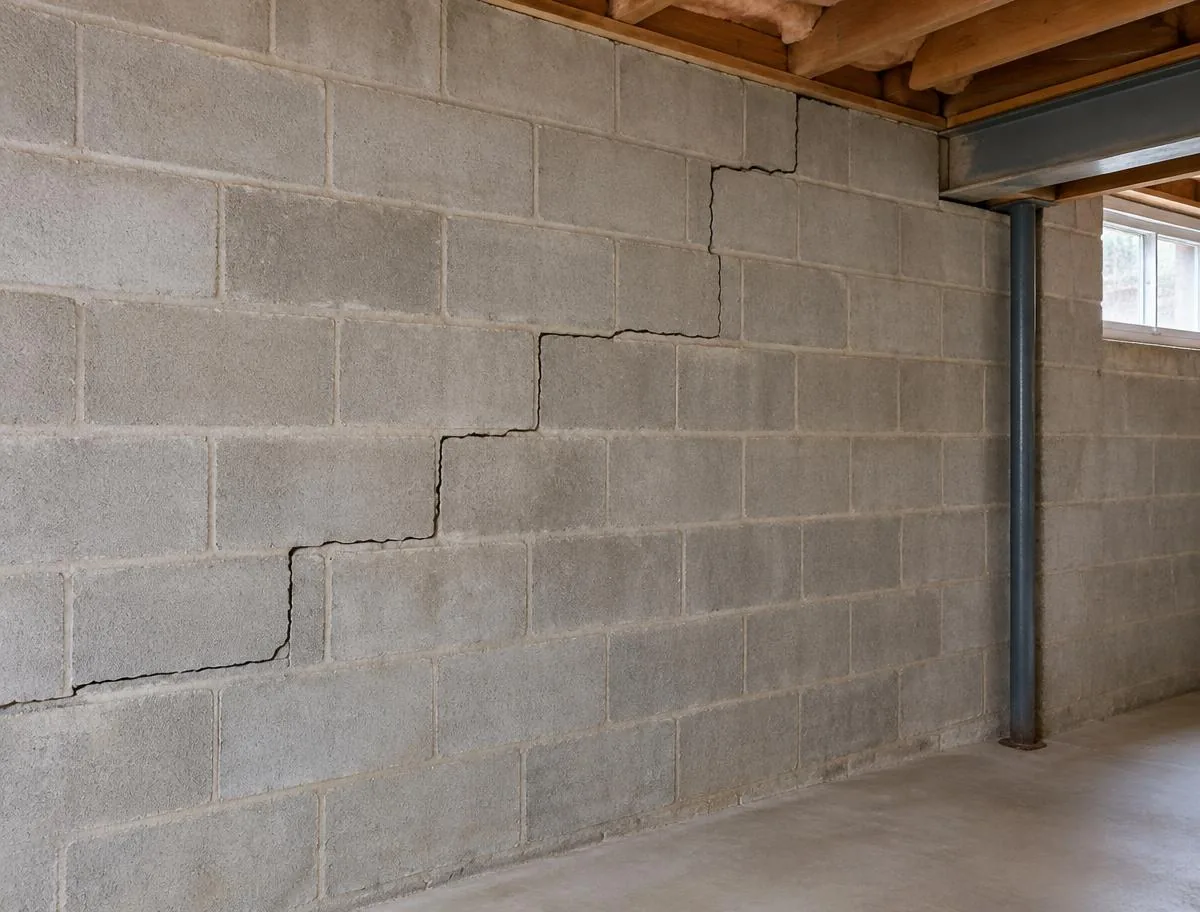
Plain-language answers to the questions Kansas City, KS homeowners ask most, plus guides that help you understand what your home is telling you.
Bowing is almost always caused by soil pressure.
Read moreSome are, some are not.
Read moreHeavy rain saturates the clay soil around your foundation faster than it can drain.
Read moreThe classic signs are diagonal cracks above doors and windows, doors that stick or will not latch, sloping floors, gaps between walls and ceilings, exterior brick stepping apart, and a chimney leaning away from the house.
Read moreUneven floors come from one of two places: the foundation perimeter has settled, or the supports under the middle of the floor, such as crawl space posts and beams, have sunk, rotted, or shifted.
Read moreA musty smell means moisture is present even if you never see standing water.
Read moreIf water enters your basement after storms, or your home has interior drain tile, yes.
Read moreThree things combine here: expansive clay soil that swells and shrinks with moisture, a climate that swings between heavy storms and dry summers, and a housing stock that spans more than a century of construction methods.
Read moreThe direction and location of a crack tell you what is causing it.
Read moreThere is no honest single number, because cost depends on what is wrong.
Read moreCost depends on where the water is coming from.
Read moreWalk the outside looking for cracks, gaps, and sloping soil.
Read moreRequest an inspection referral and find out what’s causing the problem.
Independent provider referral request
Your request is used to arrange provider contact